In an era dominated by digital algorithms, Instagram Reels, and Spotify playlists, it’s easy to believe that your entire career lives online. But for musicians, the most powerful and lasting connections are often made in the real world. Your digital presence gets people listening, but your IRL (In Real Life) branding is what turns casual listeners into lifelong fans.
IRL branding is the tangible, physical expression of your artist identity. It’s everything a fan can see, touch, or even smell. In a sea of digital content, these physical artifacts become sacred objects—proof of a real-world community and shared experience.
Why IRL Branding MatterS
1. It Creates a Tangible Memory: A song on a playlist is fleeting. An original merch item, a well-designed vinyl record, or a unique poster is a physical reminder of a night out, a connection to your music, and a story to tell. It transforms a digital stream into an experience.
2. It Builds Community: Wearing a band’s merch is a badge of honor. It signals belonging to a tribe. When fans wear your merch, they become walking billboards, connecting with other fans and strengthening your community organically.
3. It Enhances Perceived Value: In a world of free content, fans are looking for ways to financially support artists they love. High-quality, thoughtful physical goods justify the price tag and show that you value your art—and by extension, value your fans’ investment in it.
4. It Completes Your Artistic Vision: Your music tells a story. Your IRL branding shows it. It’s a chance to extend your aesthetic, lyrics, and vibe into a multi-sensory experience, making your artistic world more immersive and complete.
Essential Elements of Your IRL Brand
So, how do you build this physical empire? It’s about more than just slapping your logo on a black t-shirt. Here are the key elements to consider:
1// Live Experience
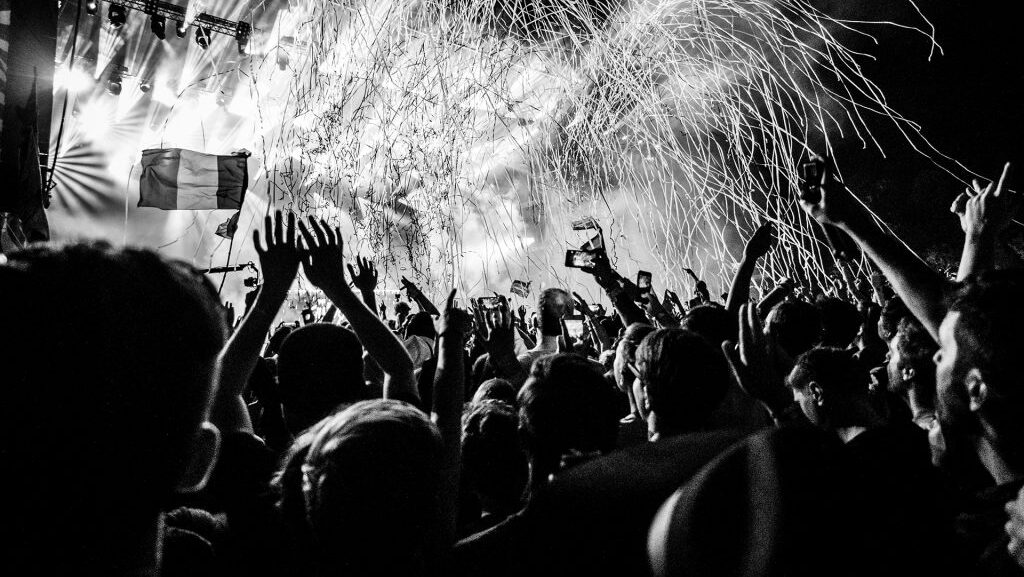
Your live show is the ultimate IRL branding moment.
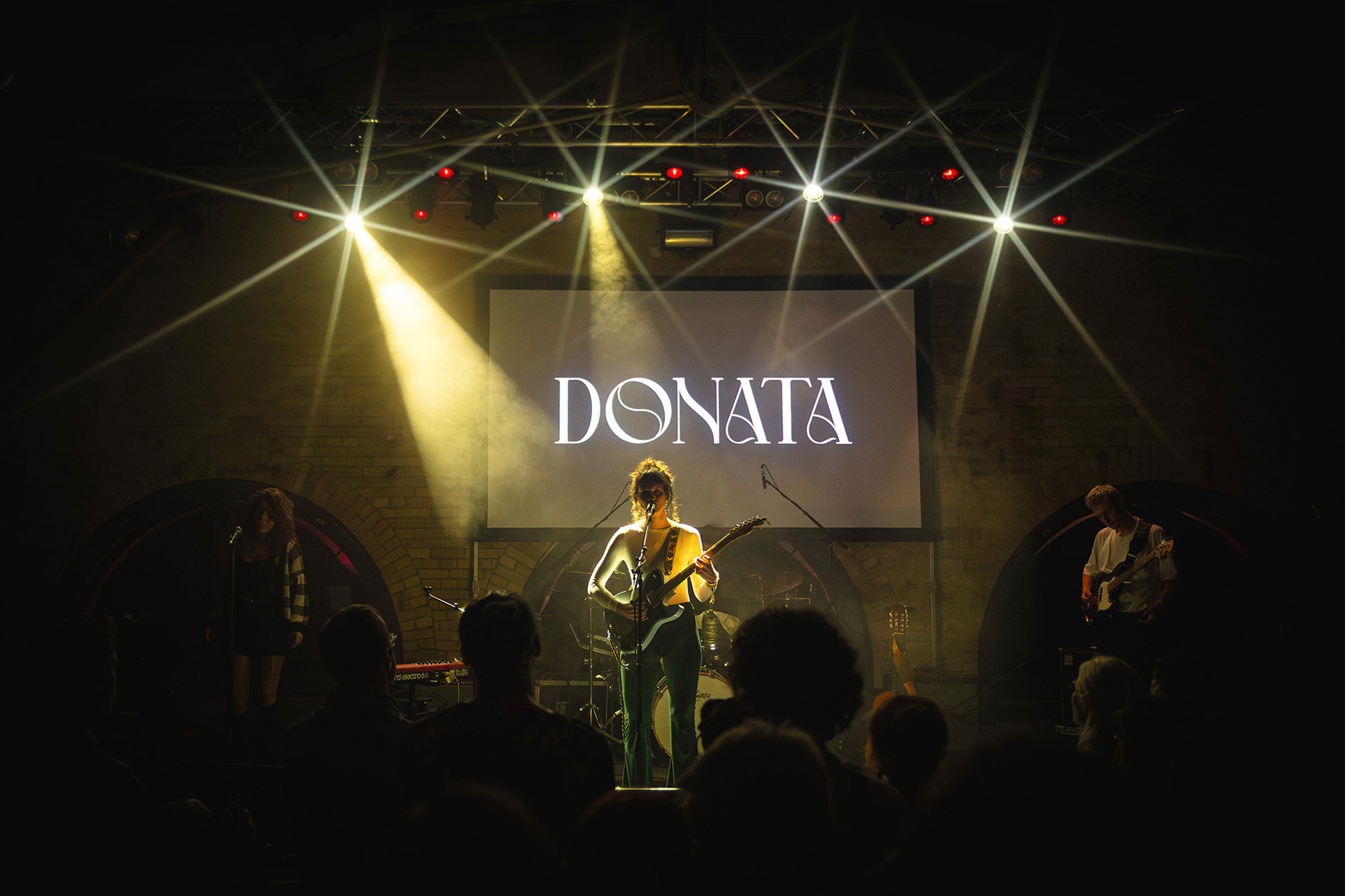
Stage Design: Elements like a signature backdrop, custom-designed drum skins, or unique lighting arrangements transform a generic stage into your stage, whether it is a minimalist, atmospheric lighting to create an ethereal experience like Sigur Rós or a full-blown theatrical production with custom props, LED screens, and pyro like Tool or Rammstein.
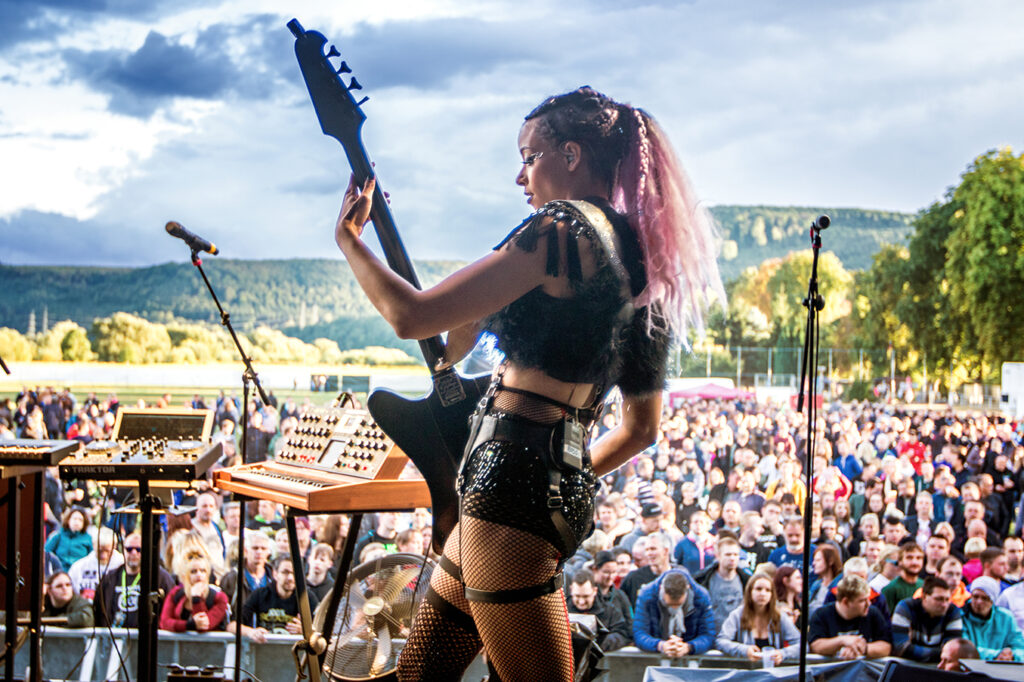
On-Stage Presence & Wardrobe: Your style and fashion sense on stage is a huge part of the brand. If you’re a band, it doesn’t have to be matching outfits, but a cohesive vibe reinforces your identity. Think of Daft Punk with their helmets, David Bowie‘s Ziggy Stardust persona, or Run-DMC‘s iconic Adidas tracksuits. Your clothing is a costume that tells a story. Read more about the role of fashion in artist branding in my article “Fashion Forward: How Style can Shape an Artist’s Brand” and my Interview with Costume Designer Darja Gerova.
The Venue: While you can’t always choose, playing in venues that aesthetically match your music can enhance the entire experience for the audience. Think out of the box–which type of venues might work well with your vibe, from bars to galleries and fashion stores.
Setlist & Banter: The flow of the music and how you talk to the audience creates a unique, one-time-only experience. It makes fans feel connected to that specific night.
(Simonne Jones live at Weser Open Air 2018)
2// Merchandise
This is your frontline. the number one way fans take a piece of the band’s identity home with them. Think beyond the standard tee and most importantly, think ON-BRAND.
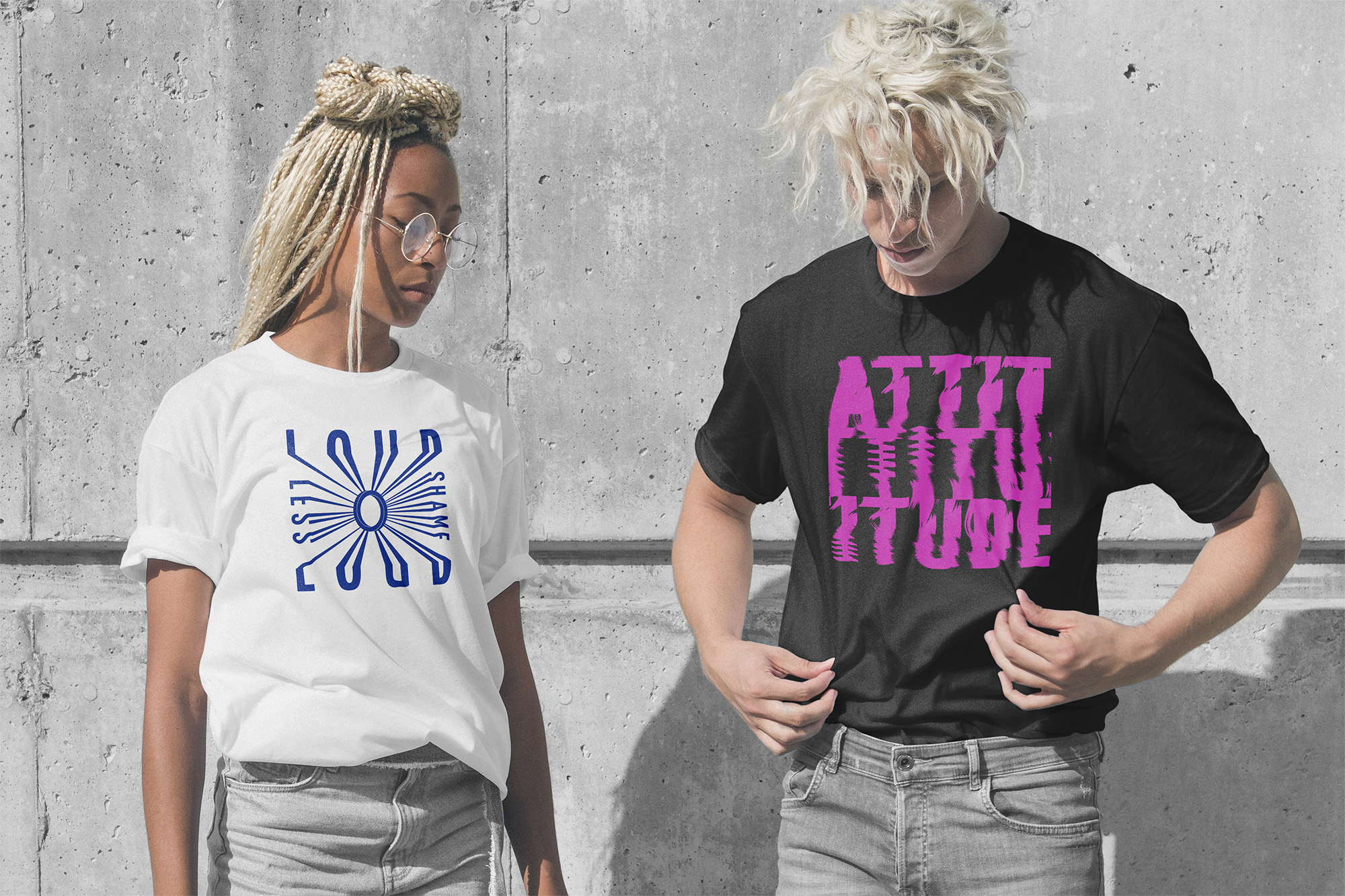
T-Shirts & Hoodies: The classics. Move beyond a basic logo on a cheap shirt. Focus on quality fabrics unique cuts (cropped hoodies, baseball tees), and artwork that people would want to wear even if they didn’t know the band. Bands like The Rolling Stones (with their iconic tongue logo) and Metallica have built empires on legendary merch.
Alternative Apparel: Hats, beanies, socks, jackets. Get creative!
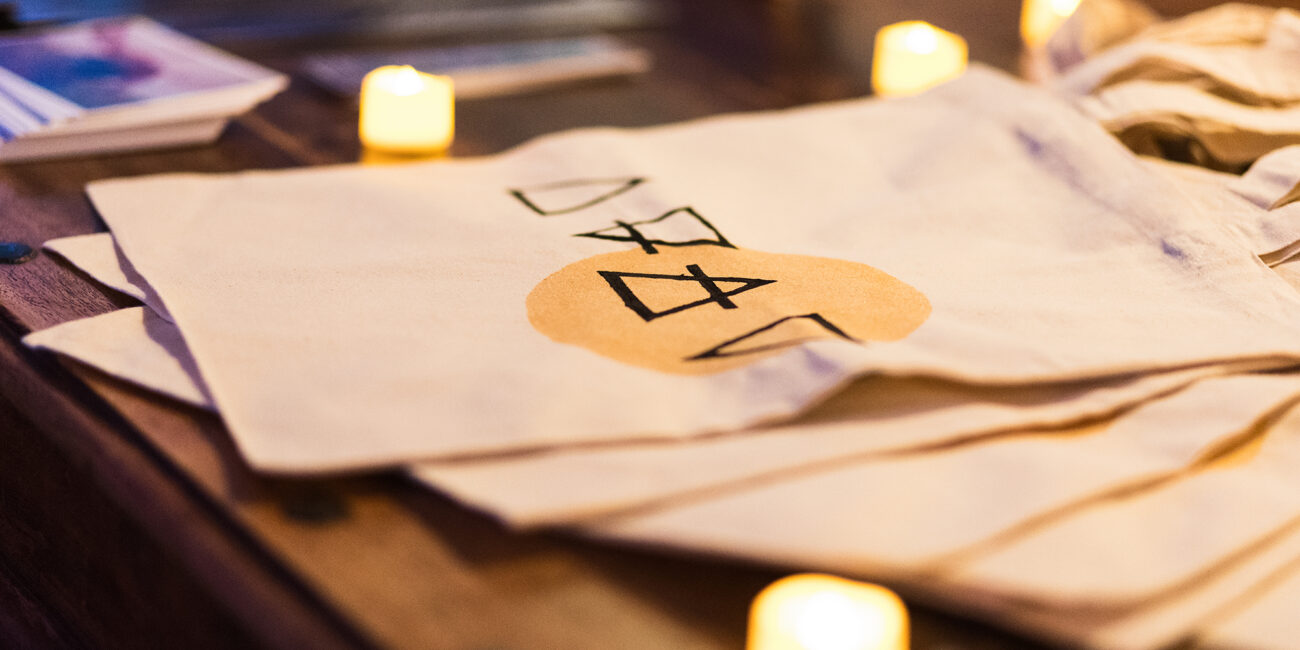
Accessories: Pins, patches, keychains, and tote bags are often low-cost, high-impact items that are easy for fans to collect. It’s far more than just a t-shirt; it’s a badge of belonging.
Non-Apparel Items: Lighters, stickers, water bottles, tour journals, enamel mugs, candles that smell like “the studio” or a song’s theme. Think about items that fit your band’s lifestyle and ethos.
Print assets: From screen-printed gig posters to beautifully designed setlists left on the stage, signed lyric sheets, or postcards with a special download code, print assets can become collectable art and add a VIP fan experiences.
Examples of an original ON-BRAND merch item: Peaches’ aphrodisiac essential massage oil for the release of her album “Rub” or Lady Gaga’s rain boots for the release of her song “Rain on Me” with Ariana Grande.
(Merch by Donata)
3// PHYSICAL MUSIC AND PACKAGING
In the age of streaming, physical media has become a premium, collectible IRL product.
Vinyl & Box Sets: This is a huge one. Unique colored vinyl, etched designs on the B-side, large-format booklets with lyrics and artwork, and deluxe box sets with bonus items (like Taylor Swift‘s “Tortured Poets Department” box with collectible patches and a poster) turn an album into an artifact.
Creative Packaging: Think of MF DOOM‘s albums packaged like comic books or Jack White‘s Lazaretto album, which had a hologram that moved when the record played.
You don’t need a massive label’s budget to create packaging that wows your fans. Think of it less as an expense and more as a final, crucial piece of your artistic expression. With some strategic creativity, you can transform a simple CD case or mailer into a unique, story-driven experience that leaves a far more lasting impression than a standard plastic jewel case ever could.”
(limited edition of Meravi’s album “Golden Sign“, personally signed by the artist with genuine leaf gold)
4// Collaborations + Crossovers
Team up with other brands that align with your aesthetic to reach new audiences in a physical way.
Local Artists: Collaborating with graphic or fashion designers to design your merch or poster may merge your audiences and create something unique.
Local Businesses: Hosting a listening party or intimate gig at a unique location (record store, library, gallery, rooftop, or a cool boutique) or getting your merch into local shops roots you in a physical community.
How to Develop Your IRL Branding Strategy
Define Your “World”: What is the vibe? Is it gritty and punk? Ethereal and dreamy? Futuristic and sleek? Just like the online assets, every IRL touchpoint should feel like it comes from this same world.
Make Conscious Decisions: Choose every element, whether it is colours, venues, props, materials or merch items, based on that vibe.
Think Out Of The Box: Explore items, locations, and materials that grab attention and make sense for your brand / release. ‘Plan enough time to create well thought-out IRL brand assets.
Be Consistent: Your merch design, stage setup, and album artwork should feel like they are all part of the same family. They should be unmistakably you.
Focus on Quality: A cheap, faded t-shirt hurts your brand. A well-made, soft tee that someone wears for years is a walking advertisement.
Make it Shareable: Create “Instagrammable” moments—a cool stage setup, a unique merch item, an interesting pop-up installation. Encourage fans to share their IRL experience with your brand online.
In short, for a musician, IRL branding is about building a multi-sensory universe around your music. It gives fans a way to not just hear your art, but to see it, touch it, wear it, and be a part of it. It’s the difference between being a artist on a playlist and becoming a culture.
Stuck in the weeds of your brand?
Endless hustling over colors, photos, and messaging—only for your EPK to get scrolled past?
It’s time for a strategy. Stop micromanaging details and start drawing the big picture.
Our online courses give musicians a framework to build a consistent, standout brand that grabs attention.