


15 Female Artists Who Redefined Music Branding
This Women’s Day, I want to talk about fifteen extraordinary women who didn’t just shape the soundtracks of our lives — they redefined what it means to be a female artist in a world that has consistently underestimated their power.
Talent is the entry fee. But female artists are charged twice. Higher standards to prove themselves. Less infrastructure to be seen. A system that expects women to arrive already fully formed — and then wonders why so many brilliant artists go unnoticed.
These fifteen women didn’t wait. They stopped asking what makes them good. They started building what makes them unforgettable — using their artistry, their image, and their public personas to challenge norms, spark conversations about gender, race, and equality, and prove that a strong brand can be a genuine catalyst for change.
What follows is not a ranking. It is a study — of five distinct brand philosophies behind 15 female artists who redefined music branding and shaped culture.
1// The REINVENTORS
They made change itself the constant. Every era a new world — every shift a statement.
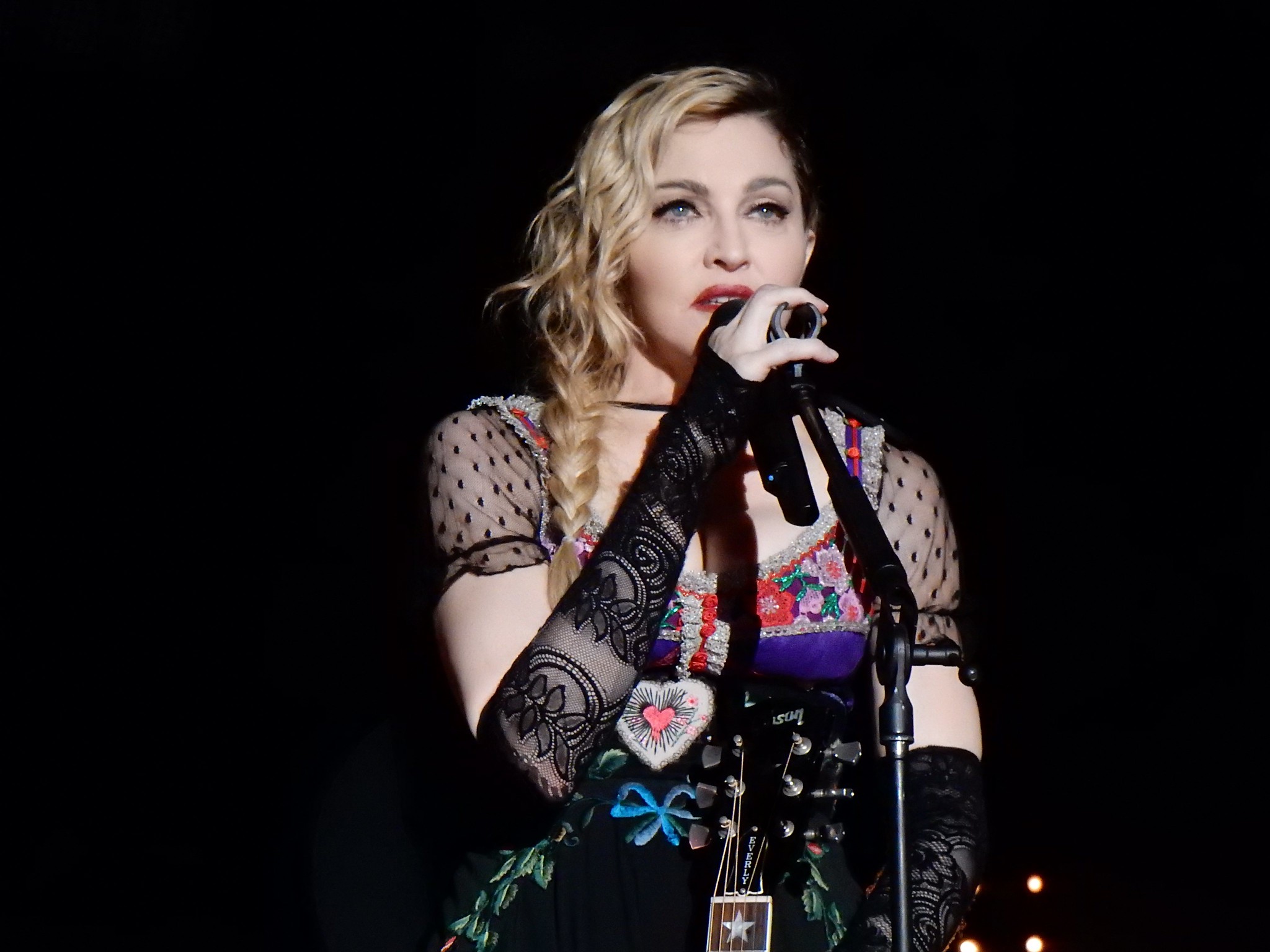
MADONNA
Known as the “Queen of Reinvention,” Madonna has consistently evolved her brand over decades, staying relevant by adapting to cultural shifts and pushing boundaries.
BRAND FOUNDATION & MUSICAL IDENTITY
Built upon: Provocation, control, and the understanding that identity is a choice — made and remade on your own terms. Madonna’s tone of voice has always been unapologetic, confrontational, and one step ahead of the conversation. She never reacted to culture. She provoked it.
Musically, she moved across disco, pop, electronic, and dance without ever losing the thread of what made her unmistakably herself. The music was always the vehicle. The identity was always the destination.
SIGNATURE STYLE
No two eras looked the same — Madame X, Erotica, Ray of Light, Confessions — and yet each one was unmistakably Madonna. The reinvention wasn’t cosmetic. Each look carried a philosophical statement.
From the “Like a Virgin” wedding dress and lace gloves to the cone bra, the androgynous “Erotica” look, and the futuristic “Ray of Light” aesthetic—her style is about provocation, pushing boundaries, and reflecting the zeitgeist. The cone bra (designed by Jean Paul Gaultier) is a globally recognized symbol of female empowerment. Her use of religious iconography (crosses, crucifixes) and the color Blond are core identifiers.
Her visual identity was always conceived as a complete world — the styling, the choreography, the tour aesthetic, the album artwork all speaking the same language. She was one of the first artists to understand that a music release is a brand campaign, not just a product launch.
BEYOND THE MUSIC
Madonna was one of the first female artists to own her masters and run her own label — Maverick Records — at a time when female artists rarely held that kind of business power.
Her LGBTQ+ advocacy, woven into her work decades before it was industry-standard, wasn’t a PR move — it was a core brand value made visible. The Blond Ambition tour, Truth or Dare, the Sex book — each extended the brand into new territory while remaining completely coherent.
Her Material Girl persona became a cultural shorthand that outlasted the song itself. She understood that a strong enough image stops being marketing and starts being meaning.
KEY TAKEAWAY
Reinvention only works when there is a consistent core underneath it. Madonna changed everything about how she looked — and nothing about who she was.
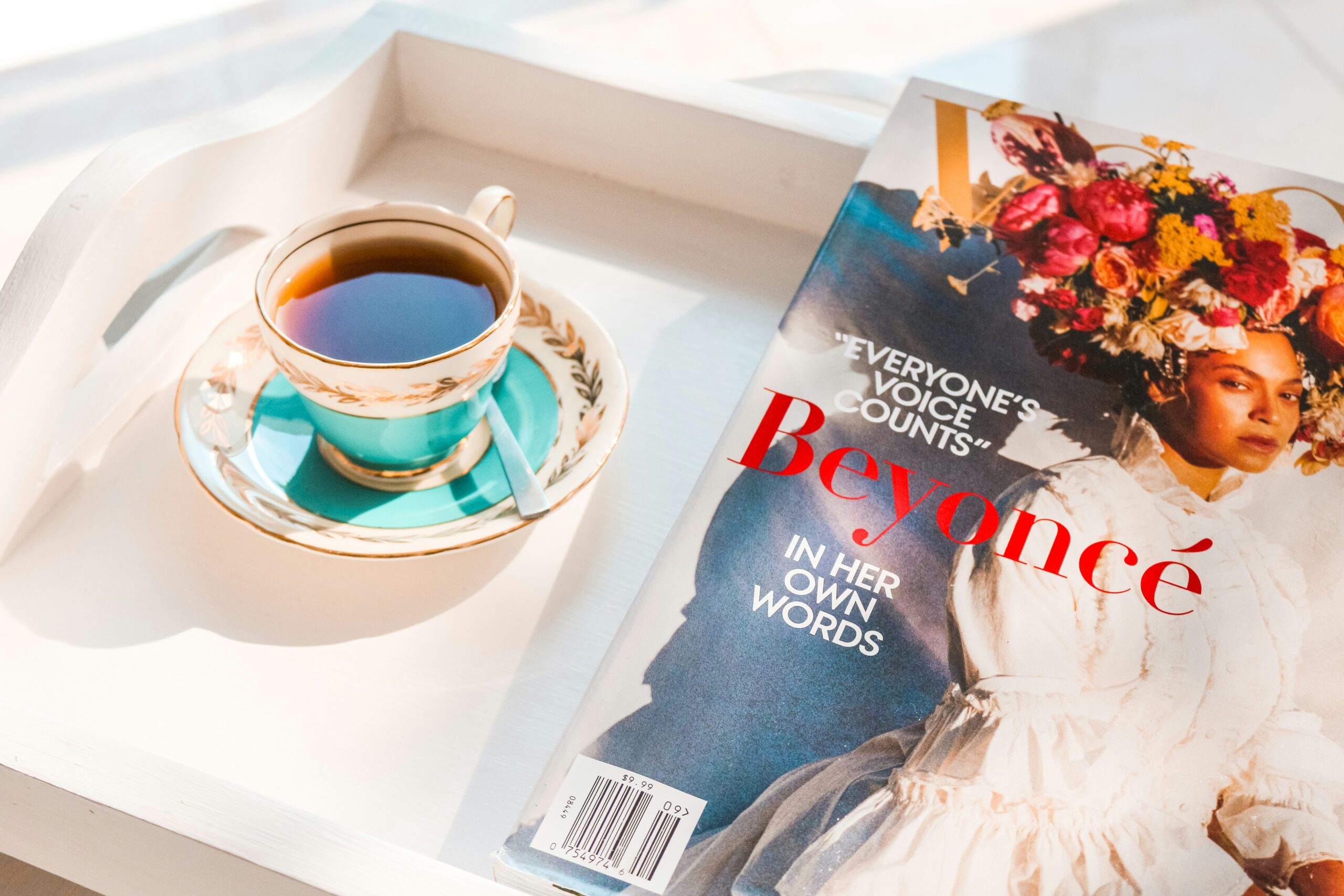
BEYONCÉ
Beyoncé has built a brand around empowerment, excellence, and mystique. Her ability to control her narrative, from surprise album drops to visually stunning performances, has made her a global icon.
BRAND FOUNDATION & MUSICAL IDENTITY
Built upon: Excellence, empowerment, and complete intentionality in every creative decision. Beyoncé’s tone of voice is maximalist, precise, and deeply personal — even at the scale of a global cultural event. She never releases music. She releases moments.
Musically, she has moved across R&B, pop, hip hop, country, and Afrobeats — never settling into a single lane because the brand was always bigger than the genre. She introduced a completely new style of singing to pop music, characterized by the heavy use of ornamental vibrato in every line, adding a layer of raw emotion and gospel-infused texture to her performances.
SIGNATURE STYLE
Her signature style is powerful and commanding onstage, utilizing iconic dance moves that blend sharp precision with athletic grace—from the booty-pop to the synchronized, militant choreography of her all-female band. Off-stage, it is Old Hollywood glamour and high-fashion luxury.
The color Yellow (specifically Pantone 13-0858) is now legally associated with her and Ivy Park. Her visual world is built on high-contrast photography, shot by a trusted circle of Black creatives — a consistent aesthetic that feels both intimate and cinematic.
Her visual identity is maximalist and meticulously art-directed. Every album era comes with a complete aesthetic system. Lemonade had a film. Renaissance had a movement. The self-titled surprise drop in 2013 changed music marketing permanently — the visual album format made the aesthetic inseparable from the music itself.
The Coachella performance — known simply as Beychella — was so complete in its visual and cultural statement that it became a film, a live album, and a cultural landmark in a single weekend.
BEYOND THE MUSIC
Ivy Park x Adidas extended her brand into fashion with the same level of control and intentionality she applies to music. The drops, the colorways, the campaign imagery — all consistent with the brand logic.
Her political work has never felt like a PR move. Formation, Lemonade, and her work around Hurricane Katrina and Black Lives Matter are so deeply rooted in who she is that they feel inseparable from the music itself.
The BeyHive isn’t just a fanbase. It is a culture with its own language, rituals, and loyalty. The easter eggs, the visual references, the community of interpretation — Beyoncé made engagement a participation sport.
KEY TAKEAWAY
When every decision — creative, business, political — flows from the same set of core values, the brand becomes impossible to separate from the art.
RIHANNA
Rihanna has successfully transitioned from a pop star to a global business mogul, proving that a musician’s brand can diversify into fashion and beauty without losing its core identity. Her brand is one of unapologetic confidence, making her a perpetual idol for women around the world.
BRAND FOUNDATION & MUSICAL IDENTITY
Built upon: Boldness, inclusivity, and an instinct for what the world is missing before the world knows it’s missing it. Rihanna’s tone of voice is effortless, unfiltered, and commercially brilliant — she makes disruption look inevitable in hindsight.
Musically, she moved across dancehall, pop, R&B, and electronic music across her discography — and then stepped away from music entirely to build something the industry had no existing framework for.
Signature Style
Rihanna is the ultimate trend setter for fashion and hair. Her signature is making any look her own, characterized by unconventional choices that defy expectations.
Every album era had a completely distinct look — Good Girl Gone Bad, Rated R, Loud, Anti — but the brand thread was always consistent: effortless, unbothered power. She shape-shifts aesthetically while remaining entirely herself, which is one of the hardest things a brand can do.
Her personal style — the oversized silhouettes, the fearless fashion risk-taking — made her a brand touchstone for the industry before Fenty existed.
Collaborations: She has secured historic collabs with big fashion labels, most notably becoming the first Black woman to helm a luxury house (Fenty for LVMH).
Androgyny: She skillfully plays with gender roles, much like the legendary Grace Jones. In one moment, she presents herself as hyper-feminine and sensual; in the next, she appears sharp, androgynous, and powerful in tailored suits and boxy silhouettes. This fluidity keeps her image unpredictable and modern.
BEYOND THE MUSIC
Fenty Beauty launched in 2017 with 40 foundation shades when the industry standard was a fraction of that. It wasn’t a product launch — it was a social statement that changed the beauty industry’s standards overnight and made inclusivity a commercial imperative, not just an ethical one.
Savage x Fenty brought the same values into lingerie. The runway shows became cultural events in their own right — casting a radical diversity of bodies and making the show itself the brand message.
Rihanna is now the wealthiest female musician in the world, largely through business rather than music. That pivot is itself one of the most significant brand statements on this entire list — proof that an artist brand, built with enough clarity and conviction, can become the foundation for an empire.
KEY TAKEAWAY
The most powerful brand extension is one that feels inevitable. Rihanna didn’t diversify — she expanded into every space where her core values had an unmet need.
2// THE WORLD CREATORS
They didn’t release music. They created universes. You didn’t just listen — you entered.
BJÖRK
The most avant-garde on this list. Never chased the mainstream — and built a brand so singular and uncompromising that the industry had to come to her. Proof that extreme authenticity is its own kind of mass appeal.
Björk Guðmundsdóttir is not just a musician; she is a force of nature—an artist who has spent her career dismantling genres, challenging norms, and creating a universe entirely her own. Frequently referred to as the “Queen of Experimental Pop” and one of the most influential pioneers in electronic music.
BRAND FOUNDATION & MUSICAL IDENTITY
Built upon: Fearless innovation, emotional vulnerability, and an unshakeable commitment to her unique vision .
Björk’s tone of voice is deeply intellectual, spiritual, and entirely her own — interviews feel like conversations from a different dimension.
Musically, she has moved across alternative, electronic, experimental, and orchestral music — creating a body of work that the industry has consistently struggled to categorize, which is precisely the point.
Signature Style
No other artist on this list has so completely made the visual concept inseparable from the musical one. Each album arrives with a fully realized aesthetic world — Homogenic’s volcanic landscapes, Vespertine’s microscopic intimacy, Vulnicura’s raw emotional architecture.
Her fashion choices — the Alexander McQueen armadillo shoes, the Marjan Pejoski swan dress at the Oscars — were not publicity stunts. They were consistent extensions of a brand that has always operated at the intersection of music, fashion, and visual art.
Fashion as Architecture: Her style is often sculptural and conceptual. She collaborates with avant-garde designers like Iris van Herpen (known for 3D-printed dresses that look like skeletons or water), Michelle Oosterhof, and Bernhard Willhelm to create looks that resemble living organisms, futuristic armor, or mythical creatures.
The Iconic Silhouettes: From the swan dress at the 2001 Oscars (a deliberate provocation against red carpet norms) to the nylon tube dress contorting her body in the “Pagan Poetry” video, her fashion always tells a story.
Hair as Sculpture: Her hairstyles are often as talked about as her outfits—from the intricate, bejeweled braids of the Vulnicura era to the spiky, colorful molds of the Fossora era that look like fungi sprouting from her head.
The Emotional Palette: Each album has a distinct color world. Homogenic was stark white and electric blue (ice and technology). Vespertine was soft, intimate snow and domestic beige. Vulnicura was a deep, wound-like magenta. Fossora is earthy browns, reds, and mushroom greys.
BEYOND THE MUSIC
Collaborations: Björk’s visual brand is as boundary-pushing as her music. She has collaborated with visionary designers, photographers, and directors to create iconic imagery. Her collaborations have always been chosen for artistic coherence rather than commercial logic — with Alexander McQueen, Nick Knight, Matthew Barney, and Michel Gondry. Each one reinforced the brand’s core value: uncompromising creativity.
Innovation: The Biophilia album was released as an interactive app — years before that was a standard industry move. She has consistently used technology as a creative medium rather than a distribution channel.
Authenticity: She never had a conventional hit in the pop sense, and built a more enduring brand because of it. Niche, pursued with absolute commitment, creates a more loyal audience than broad appeal ever could.
Activism & Political Engagement: A lifelong advocate for Iceland’s nature, Björk has protested the development of hydroelectric plants in the Highlands and supported various environmental causes . In 2008, she was put on the naughty step by Chinese authorities after on-stage support for Tibet’s freedom during her song “Declare Independence”.
Merch: For the Utopia album, which featured a heavy use of Icelandic flutes, she released a line of custom-designed, jewel-encrusted flutes as high-end collectibles. This wasn’t typical tour merch; it was an extension of the album’s theme of creating a perfect, natural world.
For her immersive Cornucopia tour, merchandise included sustainably sourced items, custom illustrations, and program books that functioned as art books. The visuals were designed in collaboration with frequent creative partner, photographer and director Inez & Vinoodh.
While she does produce t-shirts and tour posters, they are always designed with a high-art aesthetic—often featuring photography by Inez & Vinoodh or custom typography, making them desirable even outside of the concert context.
KEY TAKEAWAY
A brand built on total artistic integrity will never reach everyone — and will matter profoundly to those it does reach. Depth of connection outlasts breadth of reach. Björk has never chased trends, watered down her vision for commercial appeal, or tried to be what the industry expected her to be.
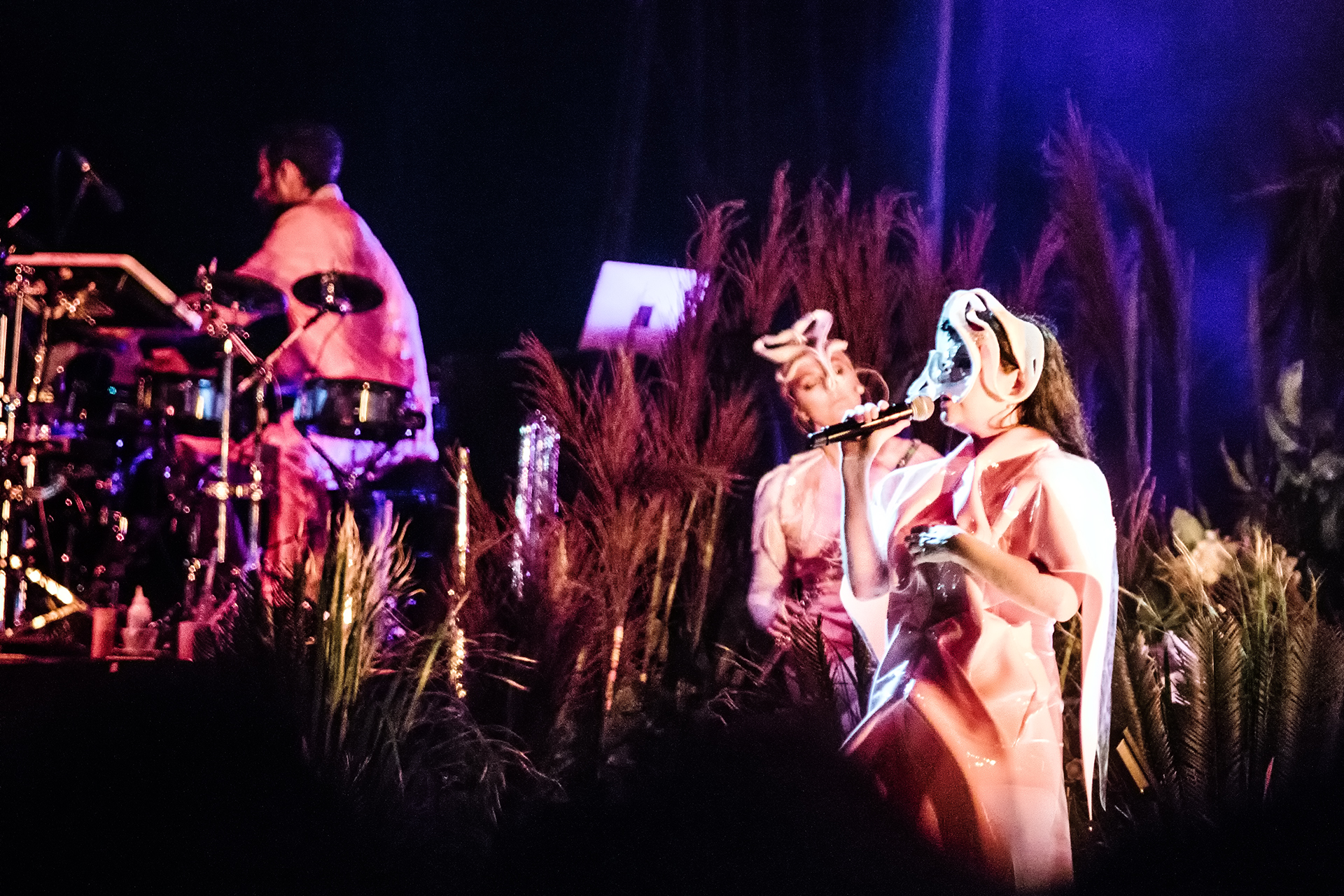
Björk at Primavera Sound 2019. Photo by Yvonne Hartmann.
KATE BUSH
In an industry built on constant output and relentless visibility, she chose the opposite — long silences, rare interviews, tours decades apart. And every time she returned, the world stopped to pay attention. When Stranger Things introduced her to a generation born after her peak, her brand was completely intact. That is what happens when you build something real.
BRAND FOUNDATION & MUSICAL IDENTITY
Built upon: Artistic sovereignty, imagination, and the understanding that scarcity creates desire. Kate Bush’s tone of voice is literary, theatrical, and deeply interior — her work feels like access to a private world that you are privileged to enter.
Musically, she moved across art rock, classical, electronic, and folk — always in service of the emotional and narrative world of each record, never in pursuit of commercial trends.
Signature Style
The Wuthering Heights red dress. The Hounds of Love cover. Running Up That Hill. These images and sounds became cultural touchstones without a PR campaign behind them — built entirely through the force of artistic vision.
Her visual identity was theatrical and mythological, rooted in literature, dance, and film. Every element felt like a scene from a story only she knew the ending to. The aesthetic was consistent not because it was calculated, but because it was entirely personal.
BEYOND THE MUSIC
Kate Bush’s live shows didn’t feel like concerts. They felt like entering a world that existed nowhere else. Theatre, dance, and music woven together into a single immersive experience that had no existing category.
She disappeared from public life for 12 years between 1979 and 1991, and again between 1993 and 2005. Managed correctly, absence is a brand strategy — and hers proved that point definitively. Every return became an event.
Her 2014 Before the Dawn residency — her first live performances in 35 years — sold out in 15 minutes and was reviewed as one of the greatest live shows in music history. Scarcity, sustained over decades, had made every appearance extraordinary.
When Stranger Things used Running Up That Hill in 2022, a new generation encountered her brand for the first time — and found it completely intact. A brand built on authenticity does not expire.
KEY TAKEAWAY
Depth outlasts frequency. Kate Bush built a world so internally consistent and so imaginatively complete that it has continued to expand in the minds of her audience for five decades — without a single algorithm, a single strategy, or a single compromise.
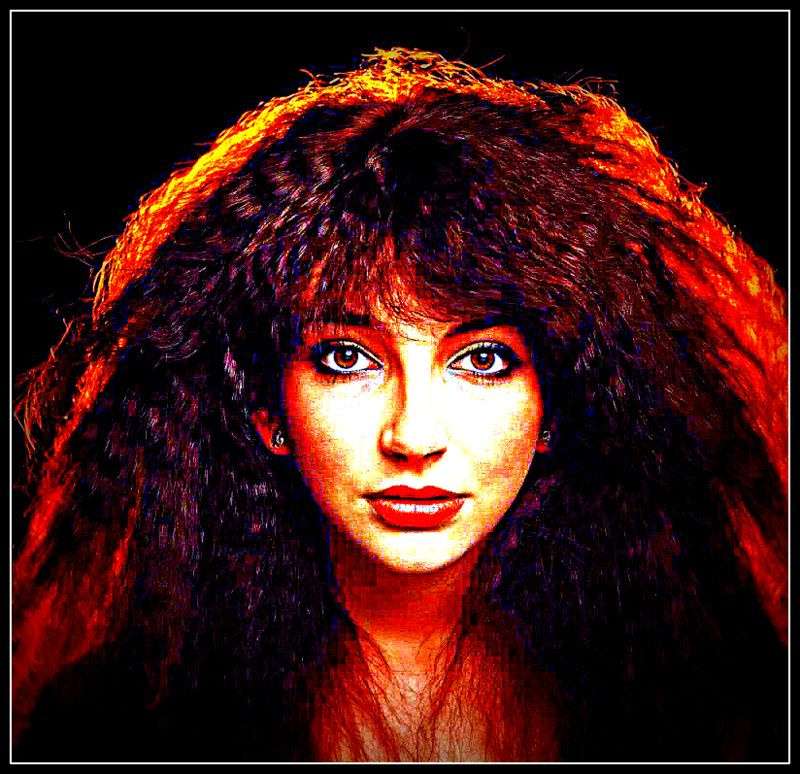
Kate Bush. Copyright: Stephen Luff
SOLANGE
For most of her career, Solange Knowles was discussed in relation to her sister. That framing missed the point entirely — and she knew it. While the world was busy making the comparison, Solange was quietly building one of the most intentional, intellectually rigorous artist brands of her generation. A Seat at the Table didn’t just arrive — it landed. A complete world of sound, image, and cultural statement so precisely constructed that it demanded to be taken seriously on its own terms. The industry eventually caught up. It took a while.
BRAND FOUNDATION & MUSICAL IDENTITY
Built upon: Black identity, intentionality, and the quiet power of curation over spectacle. Solange’s tone of voice is measured, poetic, and unrushed — she never raises her voice because she never needs to.
Musically, she works across neo-soul, R&B, experimental pop, and art music — always in service of a larger cultural and emotional statement. The music and the world around it are conceived as a single object.
Signature Style
Solange’s visual identity is curatorial minimalism — every color, texture, and silhouette feels considered to the point of architecture. A Seat at the Table wasn’t just an album. It was a complete aesthetic and cultural statement — the visuals, the interludes, the packaging all carrying the same emotional weight as the music.
Her performances and visual projects — including the film for When I Get Home — treat music video and live performance as fine art rather than promotional tools.
Fashion for Solange isn’t decoration — it is a language. Every silhouette, color, and texture says something the music doesn’t need to repeat.
BEYOND THE MUSIC
Every collaboration Solange has made — with artists, designers, and filmmakers — was chosen for shared visual and political sensibility. Saint Heron, her creative agency and music collective, was built to support emerging Black artists and creatives — a direct extension of the brand’s core values made structural.
With her Guggenheim performance or the Museum of Fine Arts Houston commission she positioned herself in spaces the music industry does not typically occupy, and in doing so expanded what the frame of a music artist brand is allowed to include.
Her approach to grief, joy, and Black womanhood in her work made her brand feel deeply personal rather than performative — which is the hardest and most valuable thing a brand can achieve.
KEY TAKEAWAY
Curation is an act of world-building. Every choice Solange made — what to include, what to refuse, who to work with, how to frame the visuals — was a brick in a world so complete and so specific it could only ever be hers.
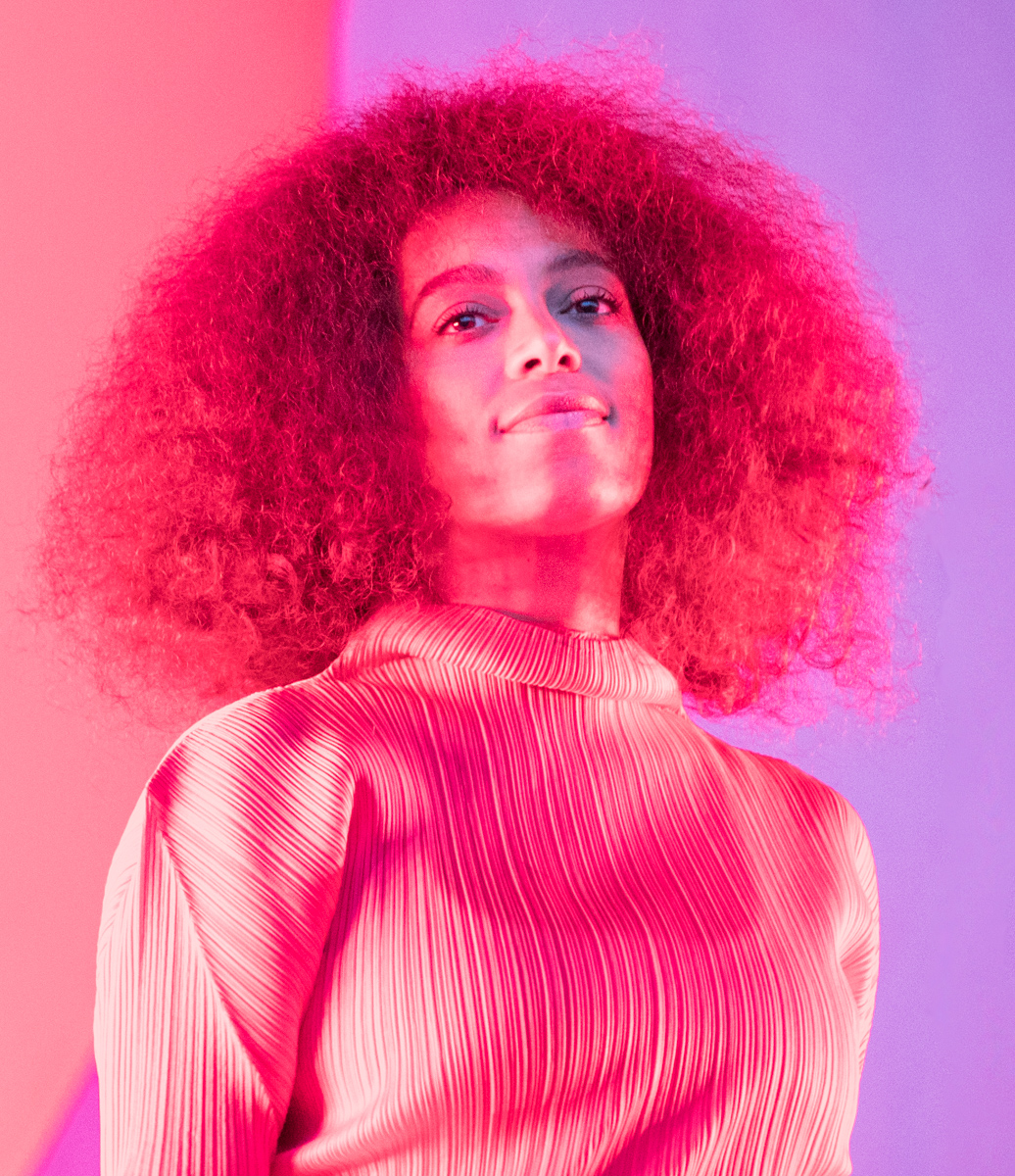
Solange at Piknik i Parken 2017. Photo by Tore Sætre
3// THE TRUTH TELLERS
They made conviction the foundation. Their politics, their pain, and their beliefs weren’t separate from the brand — they were the brand.
NINA SIMONE
Nina Simone never separated what she believed from what she played. In a music industry that has always preferred its artists compliant and its politics quiet, that position cost her enormously — and produced one of the most enduring legacies in the history of popular music. She was not ahead of her time. The time was simply not ready for her.
BRAND FOUNDATION & MUSICAL IDENTITY
Built upon: Dignity, Black liberation, and an uncompromising standard of excellence that refused to separate art from politics. Nina Simone’s tone of voice was regal, fierce, and deeply moral — she spoke truth from a place of absolute certainty, even when the cost was enormous.
Musically, she moved across jazz, blues, gospel, classical, and soul with a technical mastery that made genre classification feel beside the point. She was a classically trained pianist who used every tradition she touched as a vehicle for something larger than music.
Signature Style:
Her stage presence was a brand statement in itself — regal, severe, and commanding in a way that demanded to be taken seriously at a time when Black women in music were rarely offered that. The natural hair, the African-influenced styling, and the intensity of her gaze were deliberate acts of self-definition.
She made music that the industry could not easily package — Mississippi Goddam, Four Women, To Be Young Gifted and Black. These were not commercial decisions. They were moral ones. And she made them at considerable professional cost.
BEYOND THE MUSIC
Her Civil Rights work the center of everything. Music was the vehicle; liberation was the destination. Her relationship with the movement — with James Baldwin, Lorraine Hansberry, Langston Hughes — shaped the intellectual and political identity of the brand at its core.
The industry struggled to contain her while she was alive. She was too political for pop, too popular for jazz, too uncompromising for either. The posthumous recognition — the documentaries, the biographies, the covers, the sampling — tells the story of a brand the world eventually caught up with. Her legacy demonstrates something important for every artist building a brand: the audience you most need may not be the one that exists yet.
KEY TAKEAWAY:
A brand built on absolute conviction will outlast every commercial pressure applied to it. Nina Simone never bent. Her legacy is the proof.
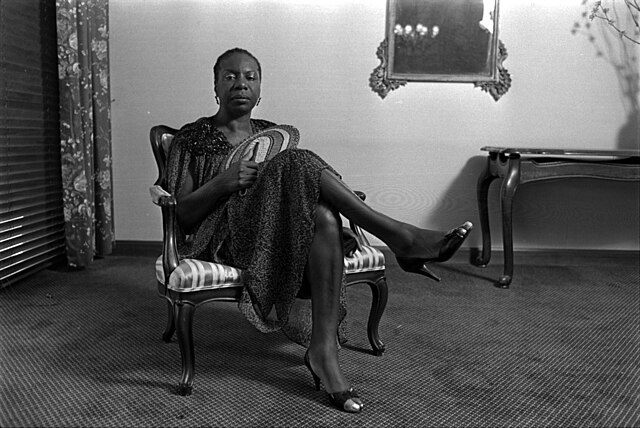
Nina Simone , interviewed in her home after returning to the United States from a self-imposed exile. Photo by David Becker, Los Angeles Times.
SINÉAD O'CONNOR
Sinéad O’Connor said things the world wasn’t ready to hear, in public, at considerable personal cost — and never once recanted. The industry wrote her off. History vindicated her completely. That arc is not just a remarkable life story. It is one of the most powerful demonstrations of what a brand built on absolute conviction actually looks like.
BRAND FOUNDATION & MUSICAL IDENTITY
Built upon: Truth-telling, moral courage, and a complete alignment between personal conviction and public identity — consequences be damned. Sinéad’s tone of voice was raw, unguarded, and prophetic. She said things decades before the culture was ready to hear them.
Musically, she worked across alternative, folk, reggae, and sacred music — her voice one of the most technically extraordinary and emotionally devastating in the history of popular music. The voice was the brand, and it never compromised.
Signature Style
At a time when female artists were under enormous pressure to be conventionally beautiful and unthreatening, Sinéad O’Connor shaved her head and looked directly into the camera. The choice was so deliberate, so unambiguous, and so completely at odds with industry expectation that it became impossible to ignore — which was precisely the point.
Her visual identity was never about aesthetics. It was about refusal. The style said everything the music was about to say, before a single note played.
BEYOND THE MUSIC
Tearing up the Pope’s photo on Saturday Night Live in 1992 was a brand act before anyone had language for it. Total alignment between personal belief and public action. The industry punished her for it immediately. History vindicated her completely. She was speaking about institutional abuse in the Catholic Church decades before the world was ready to listen.
Her refusal to allow the American national anthem to be played before her concerts — in solidarity with the Black community — preceded widespread athlete activism by decades. Every public stand she took was an extension of the same brand logic: conviction over comfort.
The backlash she faced (the record bans, the public humiliation, the industry withdrawal) is itself a brand story worth examining. She did not recant. She did not apologize. She continued making music, continued speaking out, and was eventually recognized as one of the most important voices of her generation. Her legacy is a lesson in the long game. Brands built on truth do not require the approval of the present moment.
KEY TAKEAWAY
The most powerful brand statement is one you make knowing the cost. Sinéad O’Connor paid the price in real time. The culture eventually paid her back in full.
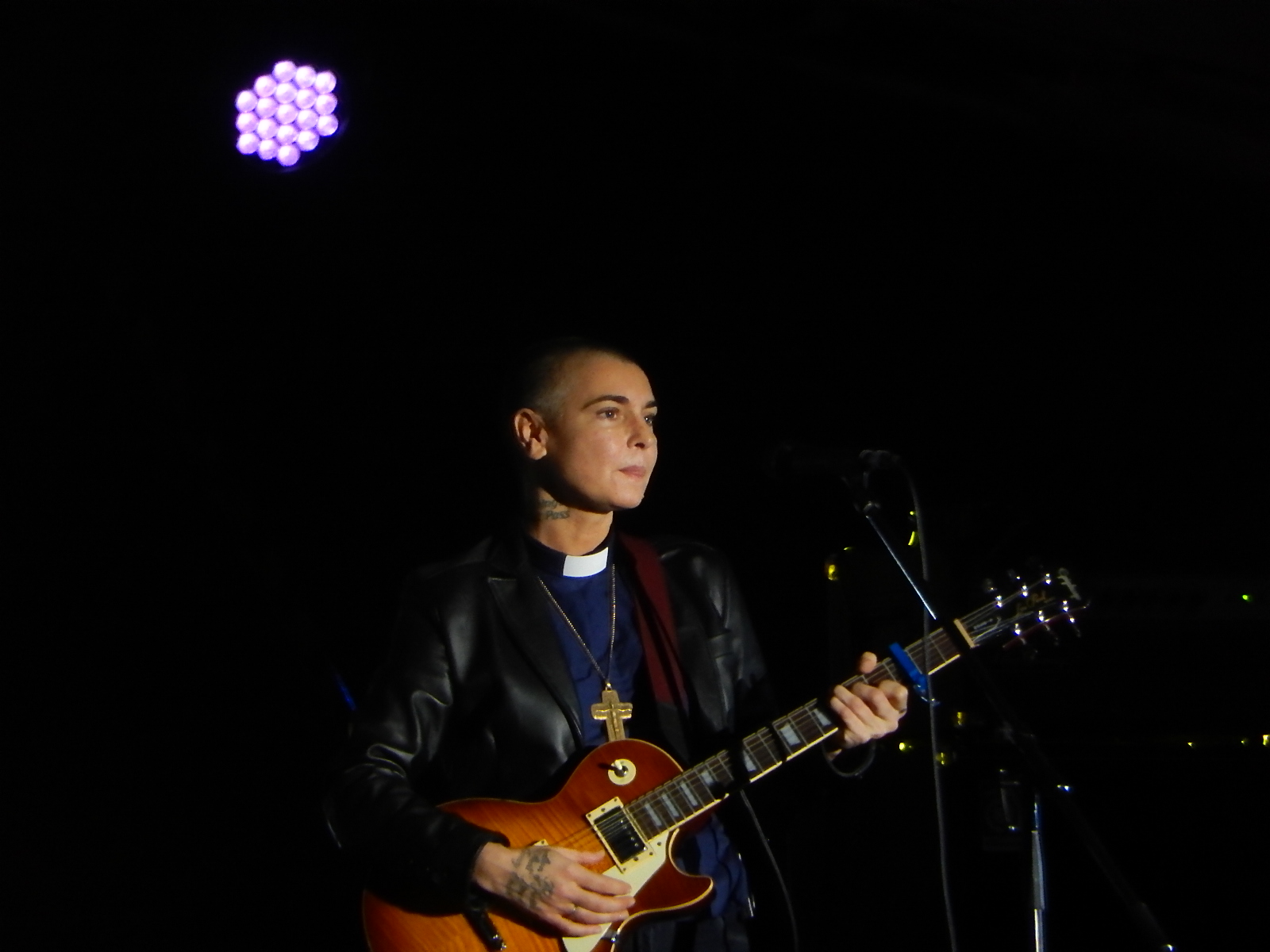
Sinéad O’Connor. Copyright: Michael Coghlan
DOLLY PARTON
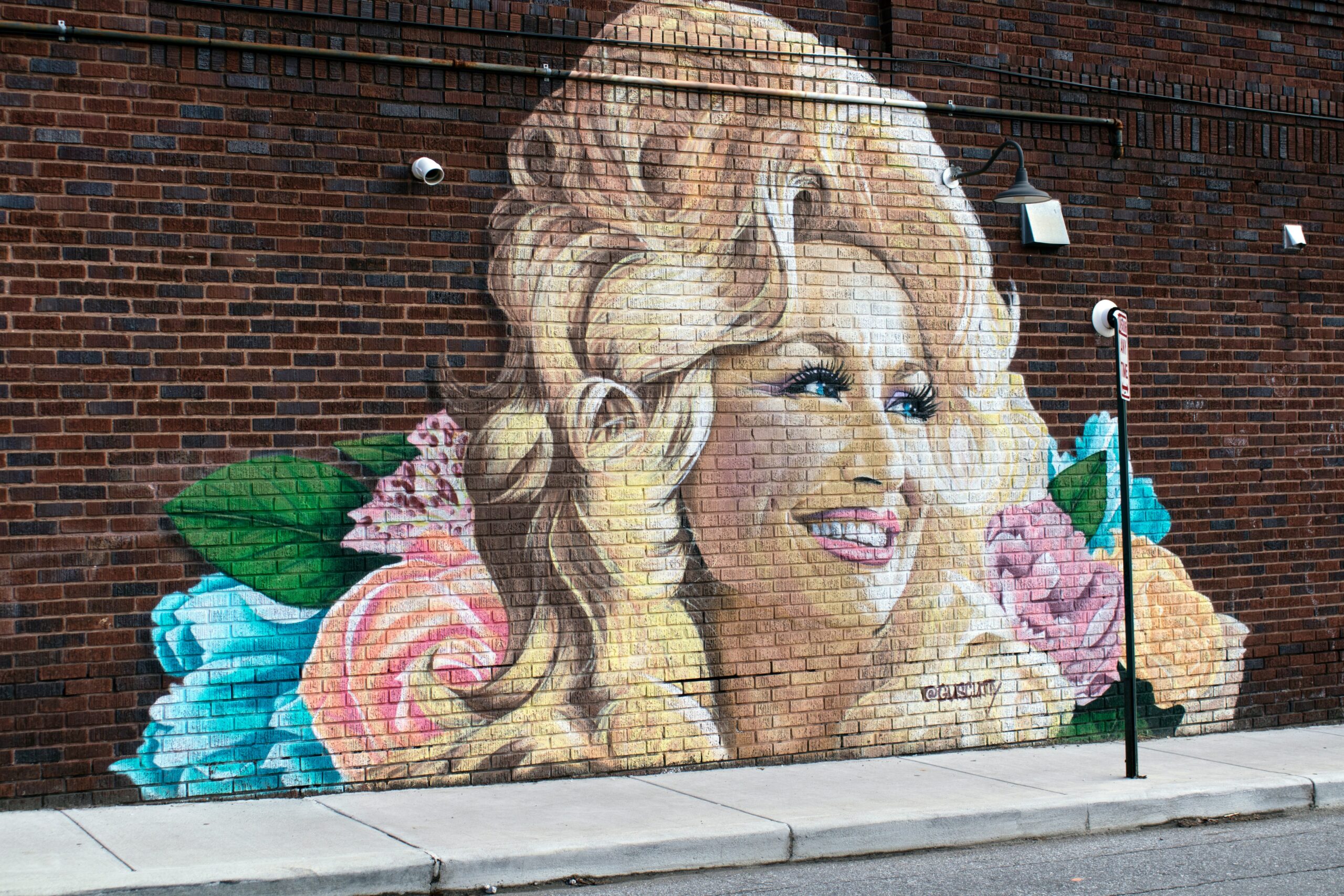
Dolly Parton, the queen of country music, is as much a cultural icon as she is a musical legend. With her signature blend of big hair, rhinestone glamour, and heartfelt storytelling, she has turned her humble roots into a global brand that celebrates authenticity, resilience, and generosity. From timeless hits like Jolene to her philanthropic efforts and entrepreneurial ventures, Dolly’s influence transcends music, making her a beloved figure across generations.
BRAND FOUNDATION & MUSICAL IDENTITY
Built upon: Authenticity, warmth, and a six-decade consistency that has never once bent to industry pressure. Dolly’s tone of voice is generous, self-aware, and disarmingly wise — she uses humor as a delivery system for profound truths, and has done so since she was a teenager from rural Tennessee who knew exactly who she was and refused to be anyone else.
Musically, she began in country and expanded into pop, bluegrass, and gospel — always bringing the same Dolly-ness to every genre she touched. She writes her own songs, owns her own publishing, and has penned hits for artists across multiple generations.
Signature Style
The rhinestones, the wigs, the nails, the curves — Dolly’s visual identity is a conscious, joyful construction that she has always been the first to acknowledge. “It takes a lot of money to look this cheap,” she famously said. The self-awareness is the brand — she understood that owning your artifice is more honest than pretending to be effortless. Her signature handwritten font is used across her products, giving a personal touch to a massive commercial empire.
Her visual consistency over 60 years is its own brand statement. In an industry that constantly pressures women to change, update, and shrink, she stayed exactly herself. That refusal is a form of radical consistency.
BEYOND THE MUSIC
The Imagination Library, that has distributed over 200 million books to children worldwide, is a philanthropic program that began in her home county in Tennessee and became a global institution. It is the clearest possible expression of her core brand value: genuine generosity, at scale, without fanfare.
She turned down the Presidential Medal of Freedom twice, saying she didn’t feel she deserved it. She turned down a statue erected in her honor in Nashville, redirecting the conversation toward living people who needed recognition more. These decisions tell you exactly what she values.
When she funded research that contributed to the Moderna COVID vaccine, she announced it quietly. The story broke without her. That is what happens when a brand is built on genuine values rather than performance of them. Dollywood — her theme park — turned an entire region into a brand extension that has generated economic growth and cultural pride for decades.
KEY TAKEAWAY
Conviction doesn’t have to be confrontational to be radical. Dolly Parton’s quiet, consistent refusal to be anything other than herself is one of the most powerful brand stories in music history.
4// THE IMAGE BREAKERS
They challenged what female artists were allowed to look like — and in doing so, rewrote the visual language of the entire industry.
GRACE JONES
Before Missy Elliott arrived in a trash bag suit, before Lady Gaga made the visual concept central to the music, before Billie Eilish used clothing as a position statement — there was Grace Jones. She dismantled the rules about what a Black woman’s body, voice, and identity were allowed to be in popular culture before most of the artists on this list were born, and she did it with a completeness and a ferocity that the industry had no existing framework for.
BRAND FOUNDATION & MUSICAL IDENTITY
Built upon: Power, androgyny, and the complete dismantling of every assumption about what a Black woman’s body, voice, and identity were allowed to be in popular culture. Grace Jones’s tone of voice is imperial, theatrical, and entirely without apology — she has never once performed for anyone’s comfort.
Musically, she worked across disco, new wave, reggae, and post-punk — combining Jamaican rhythmic influence with European avant-garde aesthetics in a way that was entirely unprecedented and has never been fully replicated.
Signature Style:
The geometric flat-top haircut — created in collaboration with her partner Jean-Paul Goude — became one of the most iconic visual brand signatures in music history. The angular makeup, the sculptural silhouettes, the bodysuit-as-armor aesthetic — she made her body a visual art object and her image a provocation.
She predates and prefigures almost every visual revolutionary on this list. The trash-bag suit Missy Elliott wore, the gender-fluid styling Billie Eilish deployed, the body-as-statement that runs through contemporary female pop — Grace Jones established the template before any of them arrived.
BEYOND THE MUSIC
Her collaboration with Jean-Paul Goude produced some of the most iconic imagery in popular culture — the Island Life album cover, the Nightclubbing era photographs — work that sits comfortably in the history of visual art as much as music marketing.
Her partnership with Issey Miyake, Azzedine Alaïa, and other architects of fashion made her a bridge between music and high fashion at a time when that crossing was rare for any artist, let alone a Black woman.
At 68, she performed at the Queen’s Diamond Jubilee hula-hooping throughout an entire song without breaking rhythm or character. The image went global. A brand that fully coherent simply cannot be undermined by time.
KEY TAKEAWAY:
Grace Jones didn’t break the image rules — she made them irrelevant. When the brand is singular enough, the industry has no choice but to build a new category for it.
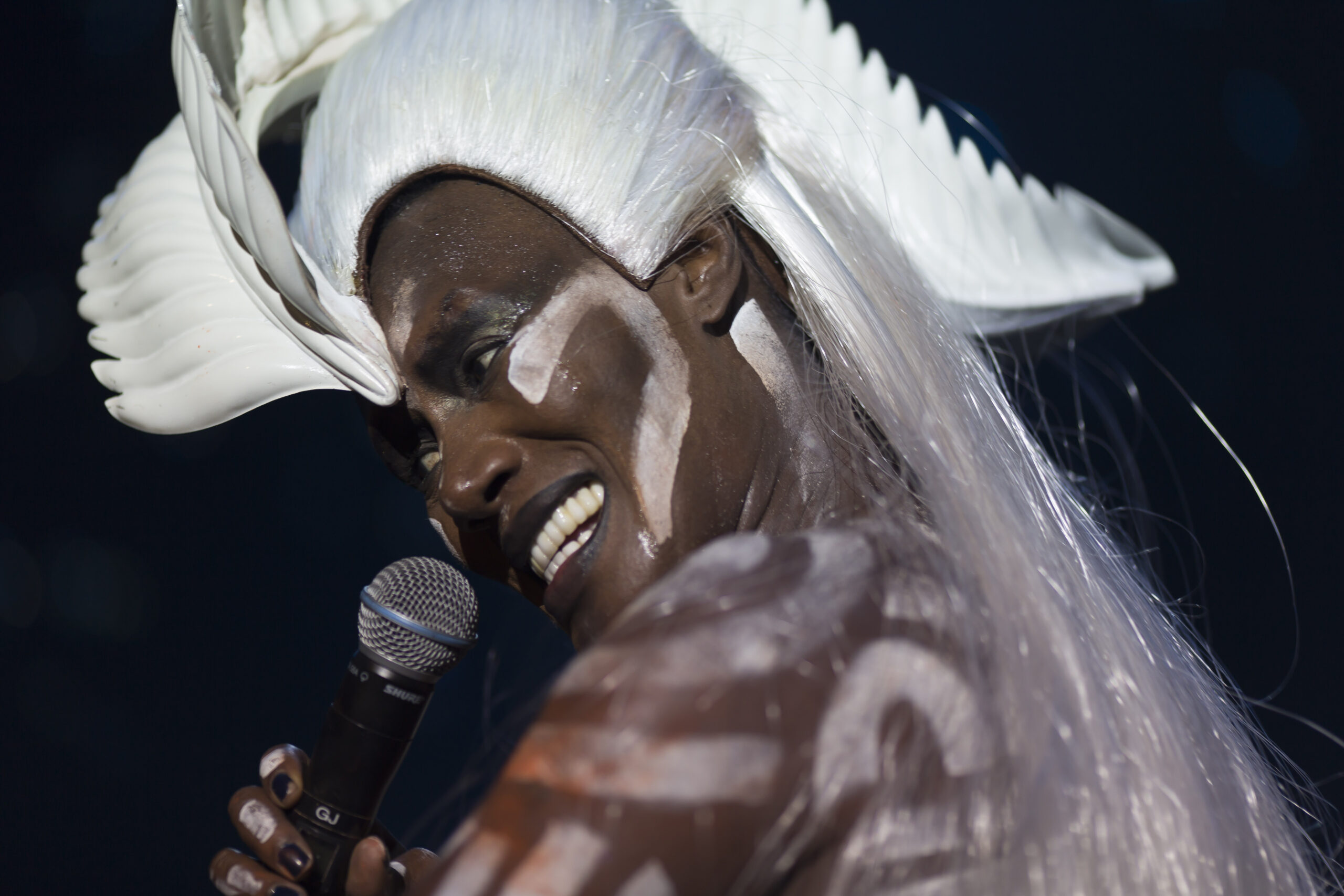
Grace Jones at Carriageworks (Vivid) – 1st June 2015. Photo by Bruce Baker.
MISSY ELLIOTT
Missy Elliott walked into the music industry and immediately broke every rule about what a female artist was supposed to look like, sound like, and act like — and then kept going. While the industry was busy telling women to be smaller and more decorative, she arrived in a trash bag suit, directing her own videos, producing her own records, and building a visual language so original that the industry spent the next two decades borrowing from it without fully crediting the source.
BRAND FOUNDATION & MUSICAL IDENTITY
Built upon: Innovation, Black female creative power, and the radical idea that a female artist’s visual identity does not have to be built on conventional desirability. Missy Elliott’s tone of voice is playful, confident, and always in control — her humor is never self-deprecating. It is power wearing a good time.
Musically, she pioneered a production aesthetic with Timbaland that was so original it created an entire sonic era. Her voice, her flow, and her rhythmic instincts were matched only by her visual imagination.
Signature Style:
The trash bag suit in The Rain (Supa Dupa Fly) is one of the most iconic images in hip hop history. It rejected conventional attractiveness standards and replaced them with pure creative invention — and it was a deliberate choice made by an artist who understood exactly what she was doing.
She treated music video as a fine art form before that framing was common. Each visual was a completely realized world — the fish-eye lens surrealism, the futuristic settings, the reverse-motion editing, the scale and ambition of the concepts were unprecedented in the genre and remain unmatched.
BEYOND THE MUSIC
Her creative partnership with Timbaland, one of the great producer-artist collaborations in music history, produced a sonic and visual brand that was entirely self-contained. They didn’t sound or look like anyone else because they had built their own aesthetic language from the ground up.
She co-wrote and produced across the music industry (Beyoncé, Whitney Houston, Janet Jackson, Aaliyah), which extended her brand into every corner of popular music without diluting what made her own work distinctive.
Her influence on contemporary female hip hop is enormous. The visual language, the body politics, the production ethos that runs through a generation of female artists from Cardi B to Lizzo traces directly back to what Missy Elliott built in the late 1990s.
KEY TAKEAWAY:
Missy Elliott proved that creative control is the most powerful visual tool available to a female artist. When you are your own director, your image tells your story.

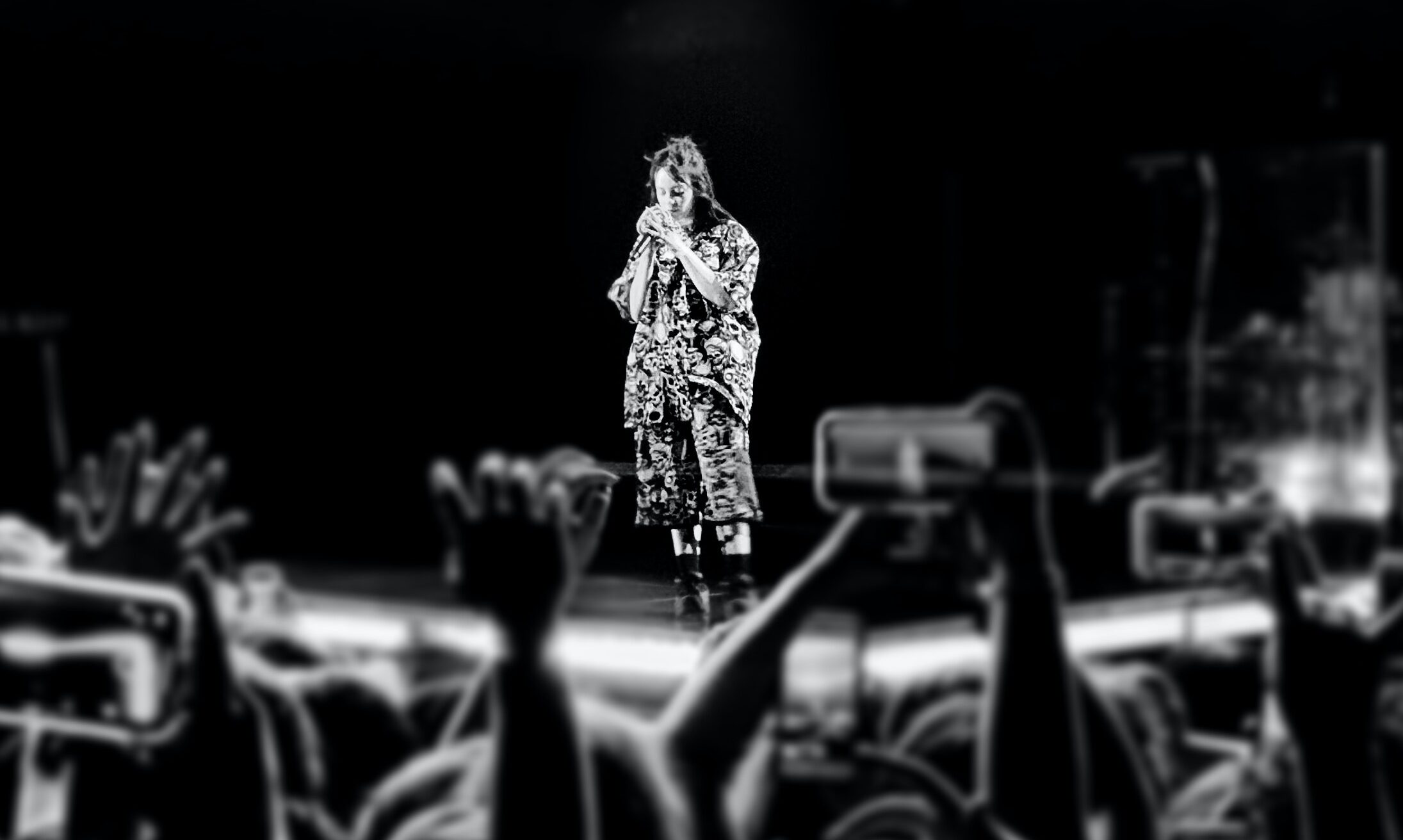
BILLIE EILISH
Every generation produces an artist who arrives so fully formed that the industry doesn’t quite know what to do with them. Billie Eilish was seventeen when she released her debut album, and she came with a complete visual identity, a production aesthetic built in her brother’s bedroom, and a position on what female artists owe their audience that the industry is still processing. The oversized clothes weren’t a styling choice. They were a statement — about bodily autonomy, about the male gaze, about the right to be seen on your own terms before anyone else gets to define them. She set the terms first. Everything since has been on her own conditions.
BRAND FOUNDATION & MUSICAL IDENTITY
Built upon: Bodily autonomy, radical honesty, and the refusal to perform a version of herself she didn’t believe in. Billie Eilish’s tone of voice is unfiltered, anxious, and deeply human — her lyrics and interviews feel like the same person, which is rarer than it sounds.
Musically, she and her brother Finneas created a production aesthetic built in a bedroom that sounded unlike anything in mainstream pop — intimate, claustrophobic, and emotionally precise. The sound and the brand arrived fully formed together.
SIGNATURE STYLE
She arrived with a complete visual identity at 17 — the oversized silhouettes that were a deliberate statement about bodily autonomy, the neon green roots against black hair, the specific palette that made her immediately recognizable. The aesthetic was not styling. It was a position.
The British Vogue cover in 2021 — where she publicly shed the oversized look and appeared in a corseted, feminine silhouette — was itself one of the most considered brand moments of recent years. She controlled the narrative of the evolution completely, writing about it in her own words before anyone could write it for her. The shift became proof that she owned her image, not the other way around.
BEYOND THE MUSIC
Her luxury brand collaborations — with Gucci, Apple, Valentino — were not conventional endorsements. They were chosen for creative and values alignment, and each one was executed with the same aesthetic specificity she brings to her music. Partnering with brands that shared her sustainability values made the collaborations extensions of the brand rather than departures from it.
Her mental health advocacy — normalizing conversations about anxiety, depression, and Tourette’s syndrome — deepened audience loyalty by being honest about experience rather than performing wellness. The brand was built on authenticity, and it held because the authenticity was real.
Her perfume campaign with Gucci — shot in the style of Old Hollywood glamour — was a masterclass in brand evolution. It was unexpected enough to generate conversation while remaining completely coherent with who she is.
KEY TAKEAWAY
A brand built on authenticity at the beginning creates the trust to evolve later. Billie Eilish’s audience follows her evolution because they believe she is always the one making the decisions.
5// THE COMMUNITY BUILDERS
They turned audiences into communities, and communities into movements. The fan wasn’t consuming the brand — they were part of it.
TAYLOR SWIFT
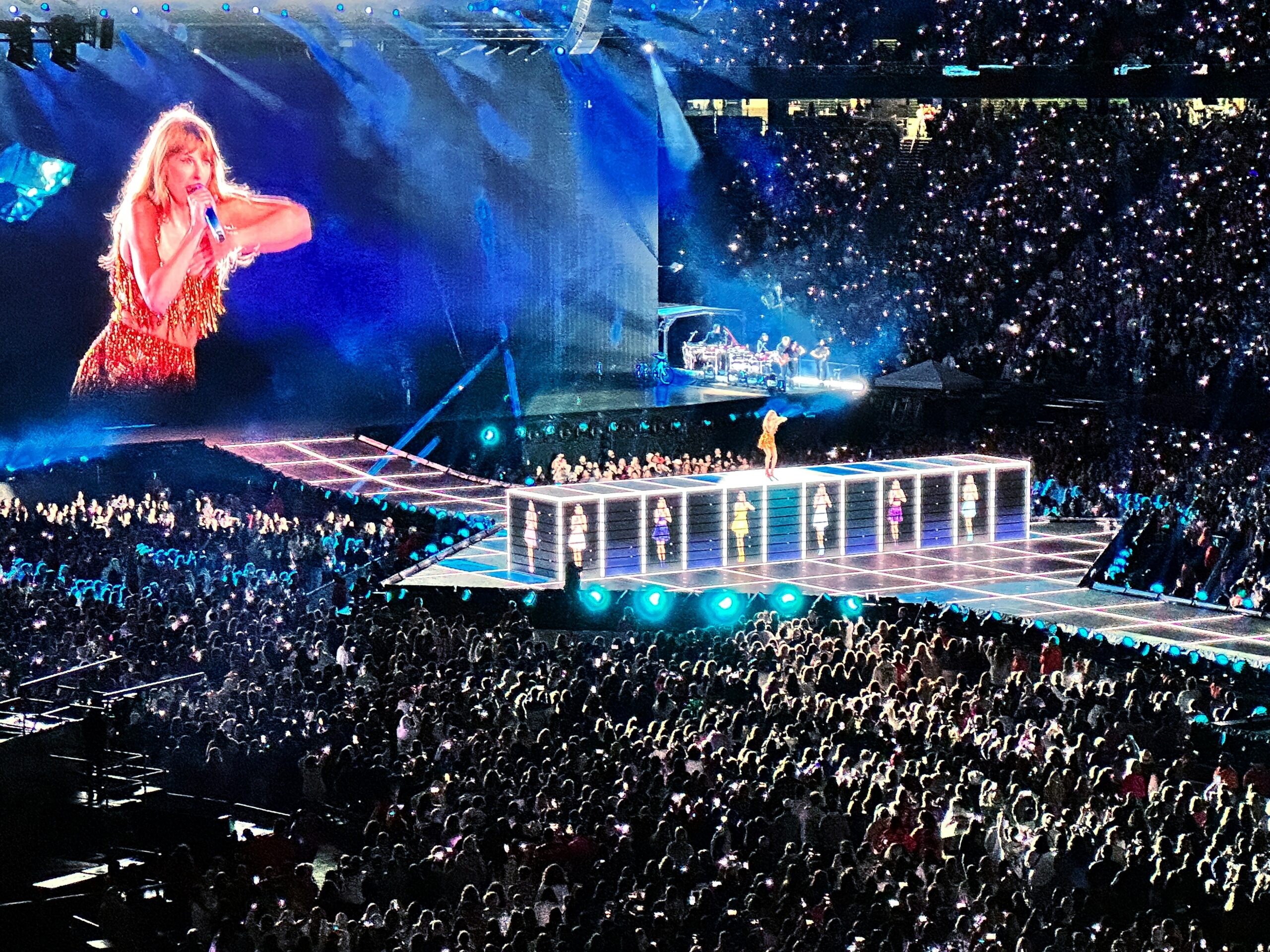
Taylor Swift has built a brand unlike any other—one based on intimate connection, lyrical genius, and strategic reinvention. She has transformed from a country prodigy into a pop megastar, all while maintaining a bond with her fans that feels personal. Her brand is a masterclass in turning personal pain into public art and business savvy into empowerment. Mastering the art of storytelling and fan engagement her brand is built on authenticity, vulnerability, and a deep connection with her audience.
BRAND FOUNDATION & MUSICAL IDENTITY
Built upon: Intimacy at scale, narrative control, and emotional reciprocity with an audience she treats as participants rather than consumers. Taylor Swift’s tone of voice is confessional, meticulous, and strategically personal — she has been telling one long, self-authored story since she was 16, and every chapter is deliberate.
Musically, she moved from country to pop to alternative to folk and back — each genre shift accompanied by a complete visual and narrative rebrand that her audience followed not despite the change but because of it. The evolution is the brand.
Signature Style
Her style is a direct reflection of her musical “eras.”
Every era has a distinct color palette, a visual language, an emotional register, and an elaborate system of easter eggs — hidden references planted months in advance for fans to decode. The Eras Tour extended this logic into the live space, structuring the entire show as a journey through distinct visual worlds.
She industrialized intimacy in a way that made a fanbase of millions feel like a private friendship — the secret listening sessions, the personal DMs, the fan packages. The relationship between Taylor Swift and her audience is unlike anything else in popular music.
BEYOND THE MUSIC
The re-recording strategy — Taylor’s Version — turned a legal dispute over masters ownership into a cultural movement. Her audience didn’t just support her; they became activists for her cause, streaming the re-recorded versions and calling on platforms and brands to use only the versions she controlled. It is one of the most remarkable examples of community as brand asset in the history of the music industry.
Her merchandise is some of the most sophisticated era-specific product in the industry — each drop an extension of the album’s visual world, limited and collectible in a way that makes ownership feel like participation.
Her economic impact — the Taylor Swift Effect on local economies during the Eras Tour, the documented increases in airline bookings and hotel occupancy in every city she played — demonstrated that a brand community mobilized at scale has measurable real-world power.
The Swifties: The World’s Most Powerful Fandom
The Swifties are not just fans; they are an active, organized, and fiercely protective community that functions as the engine of her empire.
- Decoders and Detectives: Swifties are renowned for their obsessive analysis of her lyrics, social media posts, and outfits, searching for “Easter eggs” (hidden clues) about future projects. This turns every public appearance into a puzzle, keeping the fandom perpetually engaged.
- Loyal Defenders: They mobilize instantly to defend Taylor against critics, stream her music to break records, and drown out negative narratives online. Their loyalty is rewarded with personal gestures from Taylor (like inviting fans to her home for secret album listening sessions or sending personalized Christmas gifts).
- Economic Power: The Swifties are an economic force. Their dedication drove the Eras Tour to become the first tour in history to gross over $1 billion, crashing ticketing systems and boosting local economies in every city she visited.
- Community: For many Swifties, the fandom is a source of friendship and belonging—a safe space for those who, like Taylor, may have felt like outsiders. This emotional connection turns casual listeners into lifelong brand advocates.
KEY TAKEAWAY
Building a personal connection with your audience can create a loyal and passionate fanbase. Taylor Swift’s audience follows her everywhere because she has always made them feel like they matter.
LADY GAGA
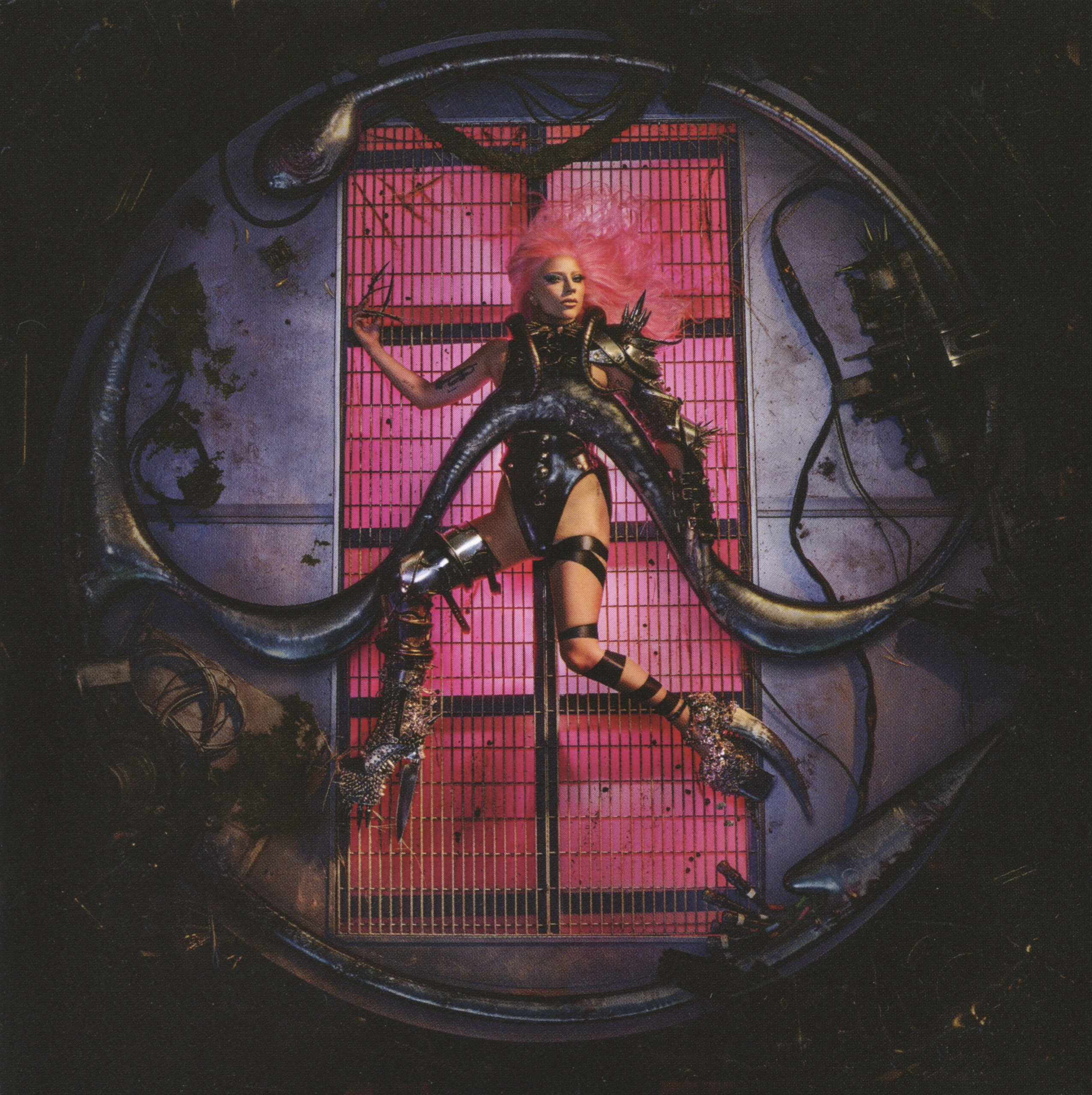
From the moment she burst onto the scene, Gaga redefined pop music with her artistic, dance-ready club anthems.
Her ability to blend music, fashion, and social causes has made her a cultural icon. She made the visual concept central to the music before it was common. The costumes weren’t a gimmick, they were the argument. Little Monsters wasn’t just a fanbase name, it was an identity her audience could adopt.
BRAND FOUNDATION & MUSICAL IDENTITY
Built upon: Radical self-expression, inclusivity, and the profound understanding that making outsiders feel like they belong somewhere is one of the most powerful things a brand can do. Lady Gaga’s tone of voice is theatrical, deeply empathetic, and intellectually rigorous — she never made pop music by accident.
Musically, she moved across electropop, performance art, jazz, and country-inflected rock — always with complete commitment to the aesthetic world of each era, and always with a message underneath the spectacle.
Signature Style
Her early style was about shock value and pushing the limits of fashion—the meat dress, the bubble dress, the living sculpture on the red carpet. She collaborated with designers like the late Alexander McQueen and brands like Mugler to create looks that were not just clothing but statements.
However, her brand evolution took a sharp turn that showcased her depth. When she transitioned to acting, she challenged the norm of fashion and the “looks” of a movie star. For her role in A Star Is Born, and later in House of Gucci (where she famously went without makeup for key scenes), she proved that she was willing to sacrifice glamour for authenticity. This willingness to appear “real” on screen added a layer of depth to her brand, proving that her talent was not dependent on her costumes.
BEYOND THE MUSIC
Little Monsters was not an accident. She named her fanbase, spoke to them directly, positioned herself as Mother Monster, and built an identity around the idea that her audience were fellow outsiders. This was community architecture — and she did it before social media made it easy.
Born This Way was not just a song. It was a community manifesto — a declaration for LGBTQ+ audiences and everyone who had ever felt like they didn’t belong. The Born This Way Foundation, her nonprofit focused on mental health and youth empowerment, made the brand value structural.
Her Haus Laboratories beauty line brought the same inclusive identity into product. Her performance in A Star Is Born proved the brand could extend into acting without any loss of coherence — because the brand was never really about music. It was about a way of being in the world.
KEY TAKEAWAY
The most loyal communities are built around shared identity, not shared taste. Lady Gaga didn’t ask her audience to like her music. She invited them to belong to something.
LIZZO
The music industry has always known how to celebrate women — on its own terms, within its own parameters, according to its own definition of what a female artist is allowed to be. Lizzo arrived and declined all of those terms simultaneously. The body, the flute, the unapologetic joy, the refusal to frame self-acceptance as an achievement rather than a baseline. Everything about her brand challenged an industry built on aspiration and insecurity. She didn’t ask for a seat at the table. She showed up with a flute solo and made the table irrelevant.
BRAND FOUNDATION & MUSICAL IDENTITY
Built upon: Radical self-acceptance, joy as resistance, and the political act of taking up space without apology. Lizzo’s tone of voice is exuberant, emotionally honest, and deeply generous — she celebrates herself in a way that gives her audience permission to celebrate themselves.
Musically, she works across pop, R&B, and hip hop with a live-performance energy that makes recordings feel like warm-ups. The flute, a classical instrument she plays at virtuosic level, became one of the most unexpected and effective brand signatures in contemporary pop.
Signature Style
Her visual identity is unapologetically physical — the maxidresses, the bodysuits, the deliberate presence of her body on stage in a way that challenges every assumption about whose body belongs in the spotlight. It is not body positivity as a brand message. It is body positivity as a lived practice, demonstrated nightly.
The flute is a brand genius. It is unexpected, it is joyful, it is technically impressive, and it is entirely her own. No other pop artist has a signature quite like it. In a crowded market, the most effective differentiator is always the thing no one else could do.
BEYOND THE MUSIC
Yitty, her shapewear line, extended the brand’s core values into product with complete coherence. Inclusive sizing was not a feature, it was the entire point. The product line made the brand’s commitment to body acceptance literal and structural.
Her online presence (TikTok videos, unfiltered behind-the-scenes content, responses to trolls that became viral moments of self-advocacy) built a community around the feeling that she is genuinely, consistently herself. The audience trusts the brand because the brand never performs.
She has spoken publicly and repeatedly about mental health, body image, and the emotional labor of being a visible plus-size Black woman in the entertainment industry. That honesty deepened community loyalty in a way that no marketing campaign could manufacture.
KEY TAKEAWAY
Joy is a brand strategy. In an industry built on aspiration and insecurity, Lizzo built a community around unconditional self-acceptance and proved it was commercially as powerful as anything else.
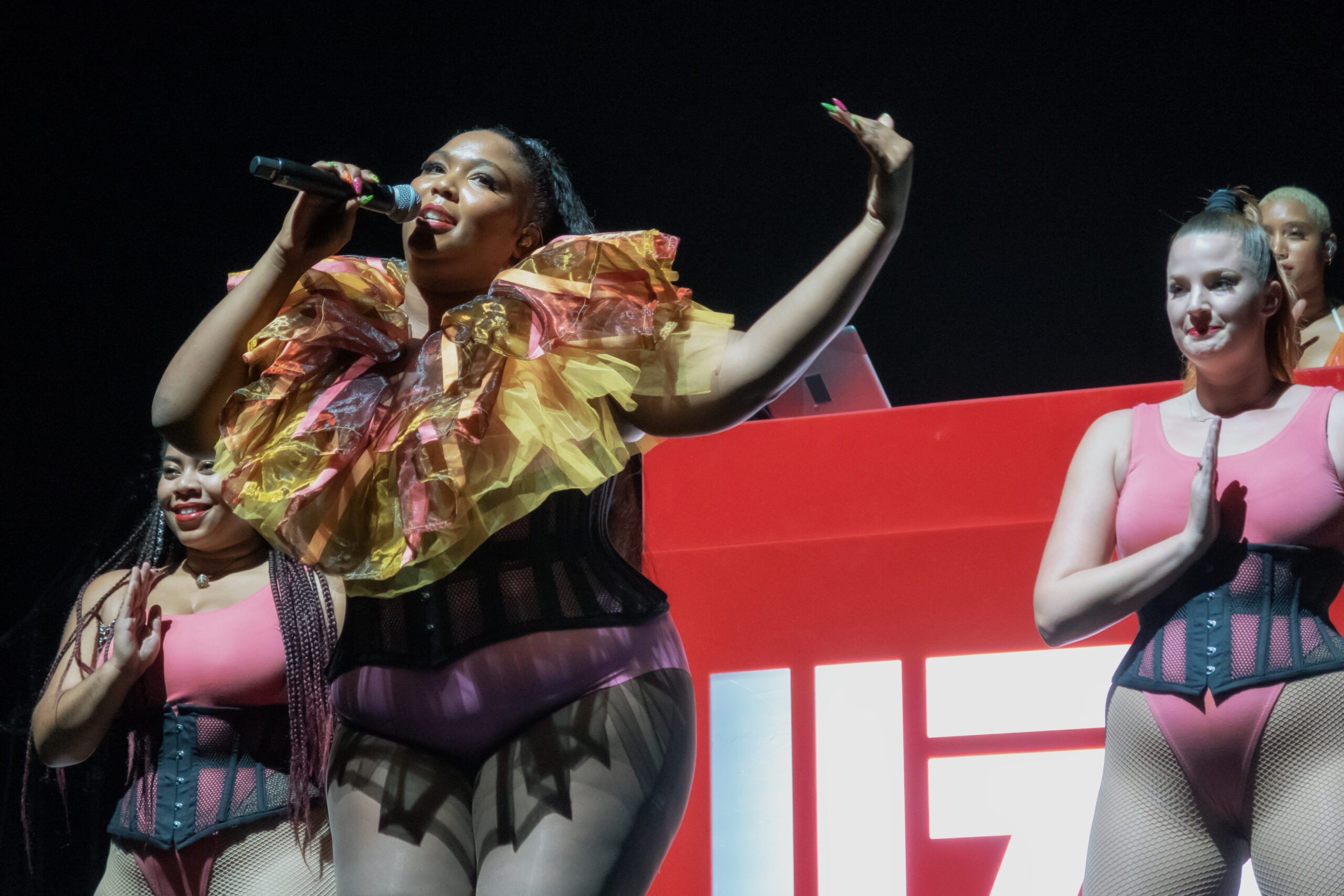
Lizzo 2018. Copyright: David Lee.
FINAL THOUGHTS
What these fifteen women built — across different decades, continents, genres and approaches — is proof that a brand rooted in genuine conviction outlasts every commercial pressure, every industry cycle, and every moment of backlash. Some of them were celebrated in their time. Some were punished for it. All of them are still being talked about. The legacy isn’t the awards, the sales figures, or the chart positions. It’s the fact that their names mean something — something specific, something felt, something that belongs entirely to them. That is what a brand built on truth produces.
Fifteen artists is a starting point, not a definitive list. Janet Jackson, Aretha Franklin, Lil’ Kim, Janis Joplin — the conversation doesn’t end here. It shouldn’t. Who would you add? I’d love to hear your answer in the comments.
Branding won’t fix the music industry. But it doesn’t ask the industry for permission either.